Factitious Game Home

Category

Deep Dive

15 articles

The Screen Behind the Screen: What Indie Game Menus Are Actually Saying

The Screen Behind the Screen: What Indie Game Menus Are Actually Saying

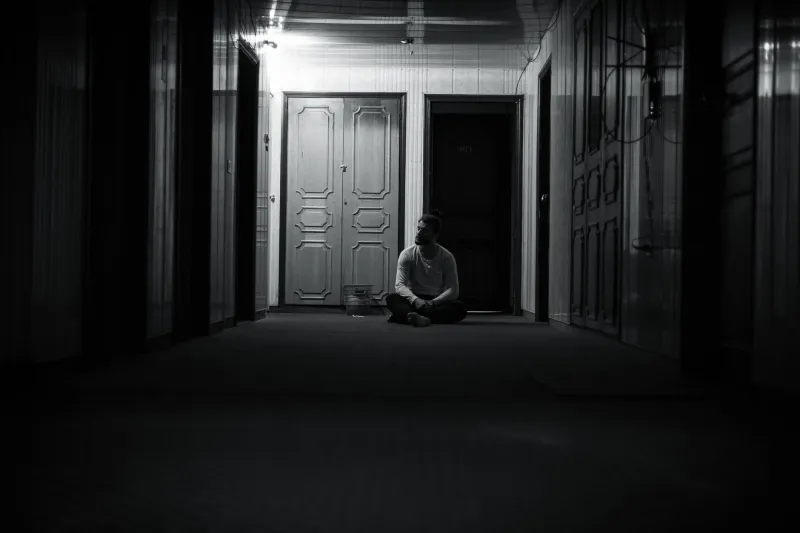
Most players treat the pause menu as a functional pit stop. But a growing number of indie games have turned settings screens, option menus, and interface design into genuine narrative real estate — spaces of solitude, self-reflection, and quiet storytelling that most players walk right past.

The Story Was Always There. You Just Had to Stop and Read It.

The Story Was Always There. You Just Had to Stop and Read It.

In the best narrative-driven indie games, the real story isn't in the cutscenes or the main quest — it's buried in a dusty item description or an NPC you talked to once and forgot. This is the quiet art of optional text, and it's changing what it means to actually finish a game.

What You Click When Nobody's Watching: Indie Games as the New Confessional

Somewhere between choosing to betray a fictional character and admitting you reloaded a save just to be kinder the second time around, something honest slips out. Indie games have quietly become the one space where we stop performing and start telling the truth. And we're not entirely sure how to feel about that.

Your Ears Figured It Out First: How Indie Game Scores Hide the Ending in Plain Sight

Long before the final cutscene, the music already knew. Indie games have quietly mastered the art of burying narrative truth inside their soundtracks—leitmotifs, harmonic shifts, and sound design choices that whisper the ending to your subconscious while your brain is still busy making choices. This is the story of how attentive listeners caught the plot twist before the plot did.

No Take-Backs: The Indie Games Forcing You to Own Every Mistake

No Take-Backs: The Indie Games Forcing You to Own Every Mistake

Some indie games have quietly removed the safety net we never realized we were depending on — the ability to reload, rewind, and pretend a bad choice never happened. What does it mean to play a story you genuinely cannot undo, and why are the most emotionally honest games the ones refusing to let you off the hook?

Same Place, Different Person: How Indie Games Are Turning Repetition Into Revelation

Same Place, Different Person: How Indie Games Are Turning Repetition Into Revelation

A growing wave of experimental indie games is betting that going in circles isn't a design flaw — it's the whole point. By forcing players to return to the same spaces, choices, and moments, these titles reveal something the forward-momentum obsession of AAA gaming almost never does: what it feels like when nothing changes but you.

The Game Lied to You. That Was the Point.

The Game Lied to You. That Was the Point.

Some indie games don't just have unreliable narrators — they make the entire interface a liar. When developers weaponize your own trust against you, the emotional fallout hits harder than any plot twist ever could.

You Think You're Driving, But the Road Was Built For You

You Think You're Driving, But the Road Was Built For You

The most powerful narrative games don't give you freedom — they give you the *feeling* of freedom, which turns out to be something far more interesting. We dig into why the choices we make in games like Disco Elysium and Kentucky Route Zero stick with us long after the credits roll, and what that says about the strange art of interactive storytelling.